Buttered Borders: The November Hunt for Bentham’s Finest Eccles Cake
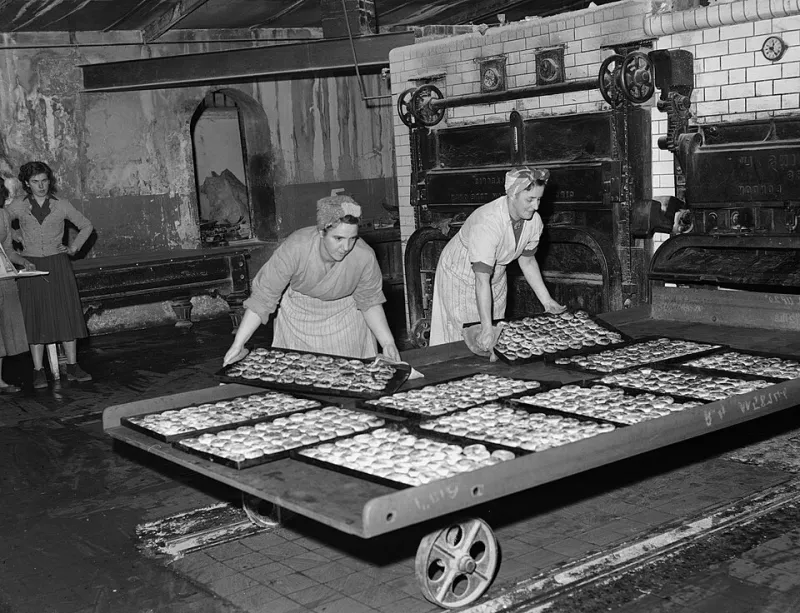
Photo: Geoff Charles, CC BY-SA 4.0, via Wikimedia Commons
On a grey Monday morning — 9 November 2026, to be precise — Bentham’s shop windows are already staging their annual coup. Mince pies have arrived. Not quietly, either. They are stacked in towers, dusted with sugar, and arranged with the smug confidence of something that knows it will win by December.
But not yet. Before the vine fruits, brandy butter and festive inevitability take over, there is still a window for the Eccles cake: that flat, golden, currant-packed border classic that deserves a proper November moment. It is not as showy as a mince pie. It does not come with a paper crown. But it has something better — flaky pastry, dark sticky fruit and a faintly scandalous amount of butter.
So I went looking for Bentham’s best. Or rather, I went looking for the versions worth your attention, because the best Eccles cake is rarely a single, permanent thing. It depends on the counter, the baker, the time of day and whether you are eating it standing up with a paper bag in one hand.
The case for a border cake
Eccles cake is not a mince pie in a flat cap. It has its own history, its own texture and its own rules. The filling should be currants — not a token sprinkle, but a proper dark, winey mass — with candied peel, butter, sugar and maybe a little spice. The pastry should be flaky enough to shatter, but sturdy enough to hold the fruit in. The top should crunch with demerara. It should taste of Lancashire and the Yorkshire border, of old shop counters and tea from a pot.
That border identity matters around Bentham. The Eccles cake belongs to the Lancashire side of the family, but it has travelled well. You will find it here in bakery windows, deli cases and the occasional farm shop, often sitting next to parkin, fruit loaf and the first of the Christmas puddings. It is a useful cake: plain enough for everyday, rich enough to count as an indulgence, and cheap enough to justify buying two.
What I was looking for
I was not hunting for the biggest cake or the most decorative one. I was looking for balance. Good pastry with visible layers. A filling that stays dark and moist without turning into a jam. A sugary top that cracks rather than crumbles. And a bake that has not been rushed — because an underbaked Eccles cake is a gloomy thing, all pale butter and stuck paper.
I stuck to three broad types rather than naming every counter, since small shops rotate their bakes and a Tuesday batch is not a Saturday batch. But the categories were clear.
The high-street bakery version
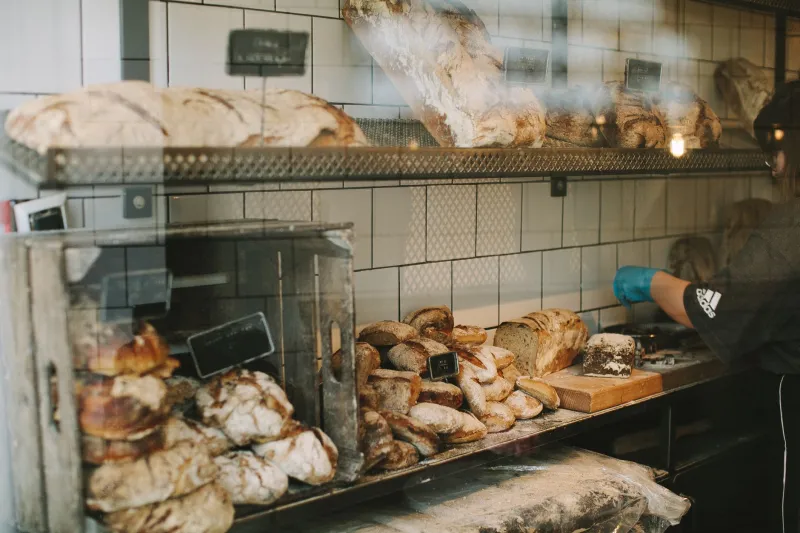
This is the classic: round, handsome, generous with currants and finished with a rough, glittering sugar crust. The best ones use all-butter pastry and bake them dark enough to taste. They shatter when you bite, then give way to a hot, jammy centre. These are the cakes to eat warm, ideally within sight of the shop that made them.
The deli-counter version
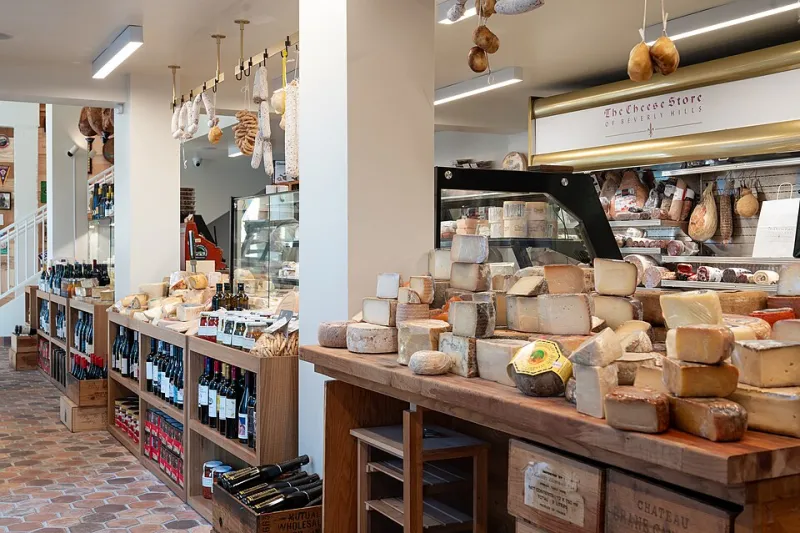
Deli counters often go denser and more old-fashioned. The pastry is a little thicker, the filling heavier on candied peel, and the whole thing can lean towards a fruit slice rather than a true Eccles. I like these cold, sliced in half, with a cup of tea and a few minutes of quiet. They travel better and they keep longer. They are also the ones most likely to survive a walk up the hill without collapsing into buttery rubble.
The ambitious modern take
One or two counters had gone slightly off-piste — a larger, more open bake, a darker sugar top, a whiff of orange peel. I am all for a baker having ideas, but the Eccles cake is not the place for too much reinvention. The best modern versions kept the essential currant darkness and simply improved the pastry. The worst tasted like a fruit turnover with ambitions beyond its station.
Warm or cold?
This is the argument that will never be settled. Warm Eccles cake is a luxury: the butter softens, the currants turn almost liquid, the sugar top goes glossy and the pastry loses its shyness. But warmth can also make a good cake soggy, especially if it has been sitting under a lamp or in a paper bag. A bad warm Eccles cake is worse than a good cold one.
Cold, on the other hand, gives you structure. You can taste the peel. The sugar crust crackles. The pastry keeps its layers. It is the version to buy for the weekend, slice on a plate and eat with something sharp.
My practical answer: buy one of each. Warm the first in a low oven for five minutes — not a microwave, unless you enjoy steamed pastry. Eat the second cold the next day. If you must choose, choose cold from a deli and warm from a bakery.
The cheese question
Here is the part that makes some people nervous and other people very happy: Eccles cake with cheese. Not cream cheese, not something soft and polite. A sharp, crumbly Lancashire or an aged cheddar. The salt cuts through the sweet fruit, the acidity lifts the butter, and suddenly the cake makes even more sense.
This is not a gimmick. It is a northern habit with a long memory, and it works especially well in November, when the palate is starting to lean towards richer, darker things but is not quite ready for brandy butter. Cut a small wedge of cake, add a thin slice of cheese, and call it a late-afternoon treat. It is also a very good way to postpone the first mince pie of the season without feeling like you are missing out.
A short November route
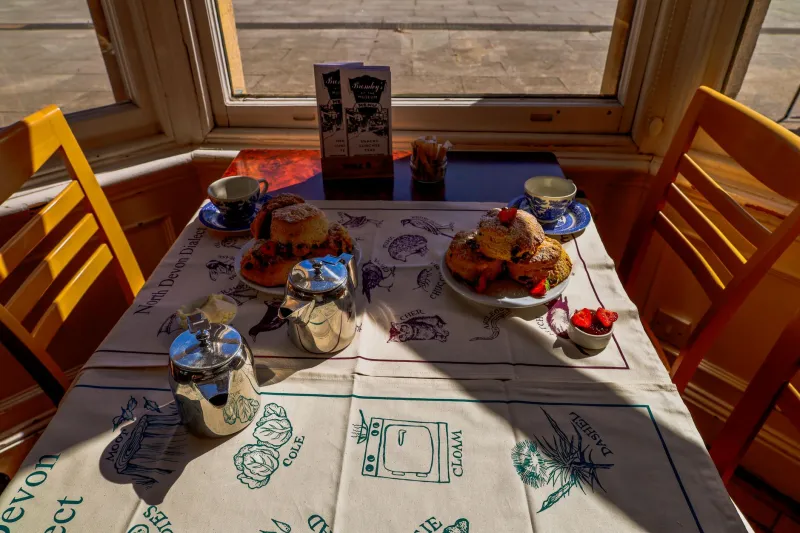
If you want to make a morning of it, keep it simple. Start at a bakery counter and buy one warm Eccles cake. Eat it outside, or at least standing near a window. Then visit a deli counter and buy one cold, plus a small wedge of sharp cheese. Finish with a coffee or a pot of tea, and if the shop has parkin or fruit loaf, show some restraint. You are here for the Eccles cake.
And if you see mince pies, that is fine. They can wait. The Eccles cake has the border, the butter and the better story — at least until December.