Jiggle, Snap, Repeat: A Custard Tart Tour of Bentham’s Counters
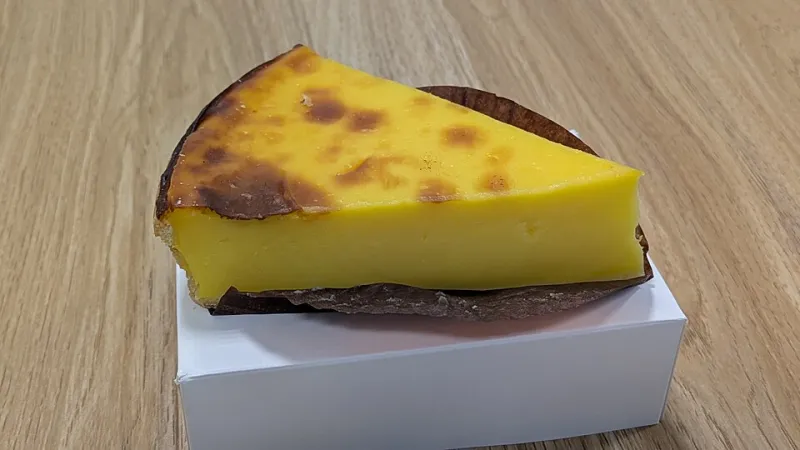
Photo: Gouglov, CC0, via Wikimedia Commons
There is a particular kind of quiet drama in a custard tart. It sits there, pale and unassuming, and yet it asks you to make a judgment before you’ve even picked it up. Will the pastry shatter? Will the custard hold? Will it wobble just enough to suggest a soft, yielding centre without collapsing into a puddle? On a grey 13 November 2026 morning in Bentham, with the fells disappearing into low cloud and the shop windows fogged with condensation, these are the questions worth asking. So we spent a day touring the town’s bakery counters and deli shelves, armed with a simple two-part test: the wobble and the snap. The aim wasn’t to crown a champion—though a few tarts did rise above the rest—but to find the small indulgence that best captures the comfort of a November afternoon.
The Wobble and the Snap: A Very Unscientific Method
The wobble test is exactly what it sounds like. You hold the tart flat, give the plate a gentle nudge, and watch. A good custard tart should tremble like a set jelly, not slosh like a cup of tea. Too firm and you’re eating sweet plaster; too loose and you’re in for a mess. The snap test is about the pastry. You want a clean break, a crisp edge that gives way with a dry crack rather than a soggy tear. Between the two, you can learn a lot about a baker’s intentions. A classic English custard tart tends to aim for a gentle, almost quivering set, often with a dusting of nutmeg. A Portuguese nata, by contrast, is usually baked hotter, giving it a blistered, caramelised top and a slightly firmer, more custardy bite. Both have their merits. Both are, in their own way, a temptation.
The English Contenders: Nutmeg and Restraint
We started in High Bentham, where the morning trade was just beginning. The first tart came from a bakery counter with a modest display: a single tray of custard tarts, each one pale gold, with the faintest freckling of nutmeg. It wobbled nicely—a soft, even tremble that promised a creamy centre. The pastry, though, was a little thicker than ideal, and the snap was more of a bend. Still, the flavour was spot on: vanilla, a hint of egg, that warm nutmeg finish. It’s the kind of tart you’d buy on a whim and eat on a bench, watching the town go about its business.
Further along, a deli had gone for a slightly more refined approach. Their tarts were smaller, almost petite, with a thinner pastry case and a custard that was almost translucent. The wobble here was more of a shimmy—delicate, precise. The snap was excellent, a proper crisp crack that scattered crumbs down your coat. This was a tart that knew what it was doing. If the first was a hug, this was a handshake. Both are welcome in November.
The Nata Interlopers: Blisters and Caramel
Then came the Portuguese-style natas. These are having a moment, and rightly so. The best ones have a blistered, almost burnt top, a dark caramel edge where the custard has caught, and a pastry that shatters into buttery shards. The wobble on a good nata is different: less of a jelly tremble, more of a dense, glossy quiver. We found one at a deli counter that stopped us in our tracks. The top was properly blistered, the custard set but still soft, the pastry crisp enough to hear from across the room. The snap was immediate and satisfying. It was, frankly, a bit of a show-off. But sometimes you want a tart that makes a statement.
The English tarts, by comparison, are quieter. They don’t shout. They sit in their paper cases and wait to be noticed. That’s part of their charm. In a season of mince pies and Christmas puddings, the custard tart is a reminder that simplicity can be indulgent too. It’s not trying to be anything other than what it is: pastry, custard, nutmeg. And yet the best ones are anything but plain.
The Verdict: It Depends on Your Mood
After a day of wobbling and snapping, we came to a conclusion that will surprise no one: the best tart depends on what you want from it. If you want comfort, go for the classic English custard tart—the one with the generous nutmeg and the soft, yielding centre. If you want a bit of drama, a nata is your friend. Both are excellent with a cup of tea, both are improved by a brisk walk afterwards, and both are, in their own way, a small temptation worth giving in to.
But if we had to pick a single tart for a grey November afternoon in Bentham, it would be the one that wobbled like it meant it. Not too firm, not too loose. A tart that trusts its custard. And a pastry that snaps cleanly, leaving a few crumbs on your sleeve as proof you were there. That’s the standard we’re sticking with.
Where to Find Them (and When)
Bentham’s bakery counters tend to have custard tarts in the morning, though they don’t always last. The delis are more reliable for natas, especially later in the day. If you’re planning a tour of your own, start early and pace yourself. A custard tart is not a race. It’s a small, quiet indulgence, and it deserves a few minutes of your time. Buy one, find a spot out of the wind, and give it a wobble. You’ll know what to do next.